

ACROPOLIS ATHENS
Official Tickets Acropolis Athens
Visit the Acropolis in Athens – The Acropolis of Athens is an iconic ancient citadel perched above the city, offering a breathtaking glimpse into Greece’s classical past. Dominated by the Parthenon, it stands as a symbol of ancient Greek civilization and democracy. This UNESCO World Heritage Site showcases the architectural and artistic achievements of the 5th century BCE, reflecting the cultural and political significance of Athens in antiquity. Visitors can explore its monumental temples, historic ruins, and panoramic views that capture the essence of Greek history.
General Information
The Acropolis is one of the most famous landmarks in Greece and a central symbol of Western civilization. Originally a religious center dedicated to Athena, the patron goddess of Athens, the Acropolis developed over centuries into a monumental complex. It features temples, altars, and public spaces. The Parthenon, the Erechtheion, the Temple of Athena Nike, and the Propylaea are the most prominent structures. Each of these buildings holds unique architectural and historical significance.
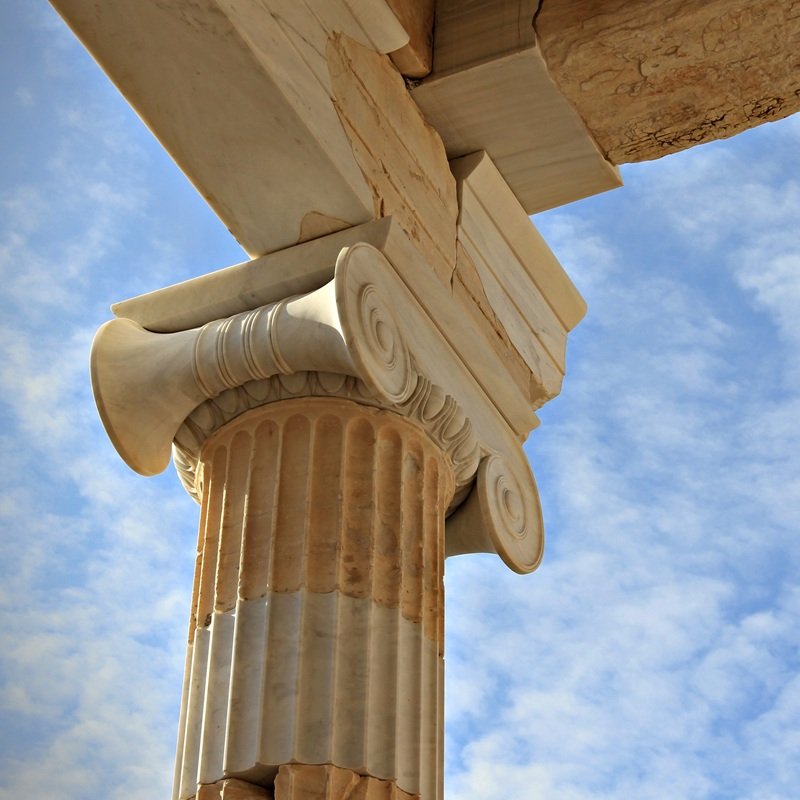
Perched on a rocky hill above the city, the Acropolis was built during the Golden Age of Athens in the 5th century BCE under the leadership of Pericles. It reflects the peak of ancient Greek art and architecture, with intricate sculptures, Doric and Ionic columns, and detailed friezes that tell the stories of gods, heroes, and historic events.
Today, the Acropolis is a major tourist attraction, drawing millions of visitors every year. As a UNESCO World Heritage Site since 1987, it is preserved for its outstanding universal value, showcasing the legacy of ancient Greek culture. Visitors can walk through its archaeological sites, admire the architectural mastery, and enjoy spectacular views of modern Athens below.
The site is open year-round, with ticketed access to the main monuments. It is easily accessible from central Athens, close to neighborhoods like Plaka and Monastiraki, making it a convenient and essential stop for anyone exploring the history and heritage of Greece.
Official Tickets Acropolis Athens
Why a Visit to the Acropolis in Athens is a Must
A visit to the Acropolis is an unforgettable journey through the heart of ancient Greece, blending history, art, and architecture. The Acropolis stands as a living testament to the cultural and political achievements of classical Athens. Its iconic temples, sculptural masterpieces, and commanding hilltop location make it a unique attraction for history buffs, art lovers, and anyone interested in the roots of Western civilization.
Architecture
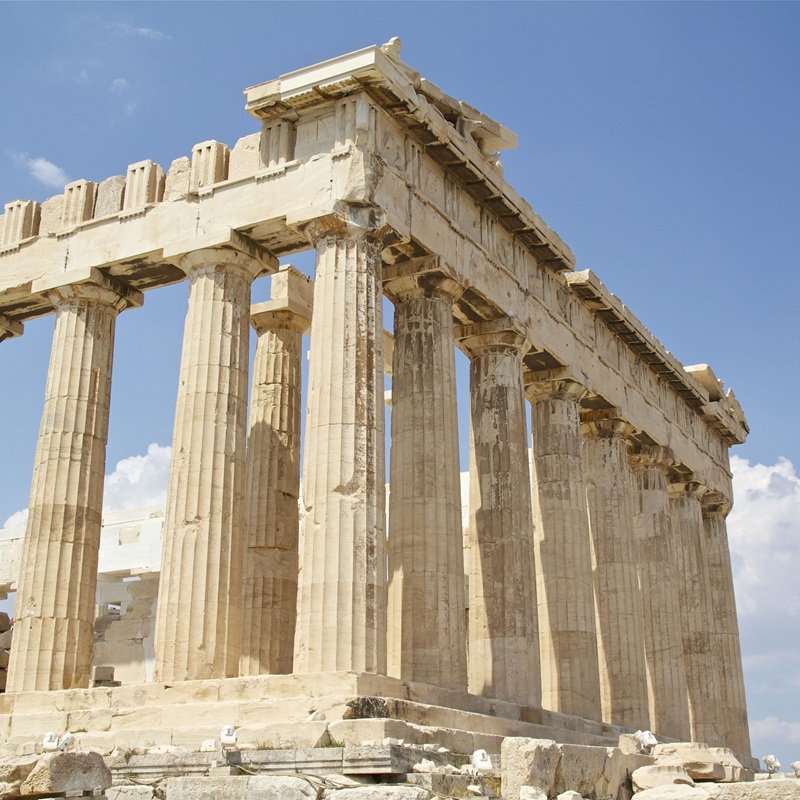
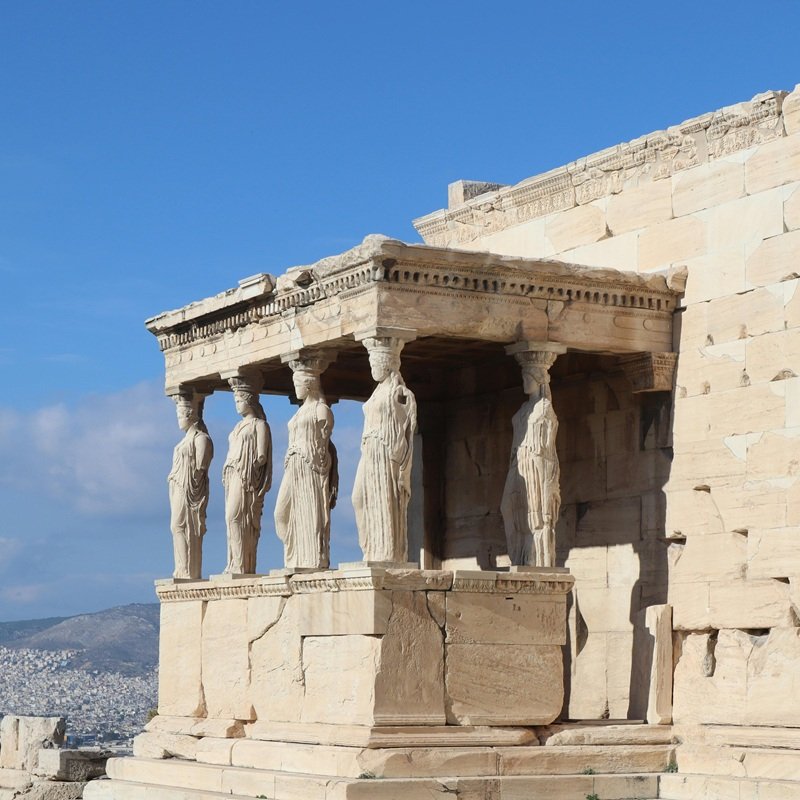
The Acropolis is a prime example of classical Greek architecture. It is characterized by its Doric and Ionic columns, precise proportions, and harmonious design. The Parthenon, dedicated to the goddess Athena, is the centerpiece of the site. It showcases exceptional marble construction and intricate friezes depicting mythological scenes. Other notable structures, such as the Erechtheion and the Temple of Athena Nike, highlight the diversity and sophistication of ancient Greek architectural styles. Visitors are captivated by the elegant colonnades and sculpted pediments. The sheer sense of scale and craftsmanship is evident throughout the entire complex.
Acropolis hill and surroundings
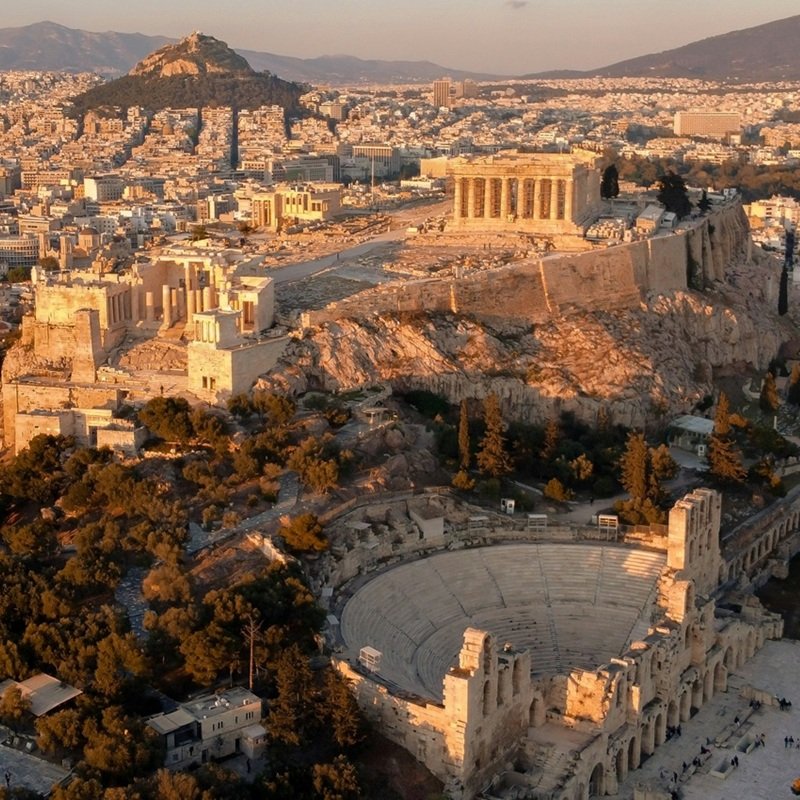
The Acropolis is more than just its monuments; its elevated position provides stunning panoramic views of Athens below. Surrounding slopes are dotted with ancient theaters, altars, and historic pathways, offering insight into the daily life and religious practices of classical Athens. The Acropolis served as both a sacred site and a center of civic pride, reflecting the city-state’s values, beliefs, and artistic accomplishments.
Stunning interior and artifacts
Inside the Acropolis’ temples and adjacent structures, visitors can explore fragments of statues, reliefs, and inscriptions. These pieces convey the richness of ancient Greek culture. The site’s nearby museum houses the most important artifacts, including sculptures from the Parthenon and other temples, providing deeper context to the monumental architecture. These treasures illuminate the artistic evolution and religious practices of one of the world’s greatest civilizations.
Cultural significance
Finally, the Acropolis remains a symbol of Greek identity and heritage. Recognized as a UNESCO World Heritage Site, it continues to inspire scholars, artists, and travelers from around the globe. A visit allows one to connect with the legacy of democracy, philosophy, and art that shaped Western civilization, making the Acropolis a must-see destination for anyone exploring Athens.
Official Tickets Acropolis Athens
Visiting Tips for the Acropolis of Athens
When planning your visit to the Acropolis, keeping a few practical tips in mind can help you make the most of this iconic ancient site.
Plan Your Visit
The Acropolis is open year-round, but opening hours vary by season. From April to October, the site typically opens at 8:00 AM and closes at 8:00 PM, while from November to March, it closes earlier around 5:00 PM. Be sure to check the official Acropolis website or local tourist information for any changes or special closures.
Best Times to Visit
To avoid crowds, the best times to visit are early in the morning, right when the gates open, or later in the afternoon. The Acropolis can get especially busy between 10:00 AM and 3:00 PM, particularly during peak tourist seasons. Visiting on weekdays can also help you avoid large tour groups. Early morning visits not only offer fewer crowds but also softer light for photography.
Allow Enough Time
A typical visit to the Acropolis can take around 2 to 3 hours, but if you are particularly interested in history, architecture, or photography, you may want to allow more time. Take your time exploring the Parthenon, the Erechtheion, the Temple of Athena Nike, and the surrounding ancient structures. The slopes of the Acropolis and the archaeological museum nearby are also worth a visit for a deeper understanding of its significance.
Dress Comfortably
Athens can be very hot, especially in summer, so wear breathable clothing and comfortable shoes, as the paths and marble surfaces can be uneven. Sun protection is essential. Bring sunscreen, a hat, and sunglasses, particularly if you plan to spend time on the open terraces and surrounding hill.
Accessibility
The Acropolis is an ancient monument with uneven surfaces and stairs, so some areas may be challenging for visitors with mobility issues. While ramps and accessible paths have been added in some parts, it’s advisable to check in advance about accessible routes and facilities.
Photography
Photography is allowed throughout most of the Acropolis. However, be respectful of other visitors and avoid obstructing pathways. Using tripods or selfie sticks may be restricted in certain areas, so check the guidelines posted on site. Sunrise or late afternoon provides the best lighting for capturing the Parthenon and panoramic views of Athens.
Take Time to Explore the Surroundings
The Acropolis isn’t just the hilltop monuments—it’s also about the experience of its surroundings. Explore the slopes, historic paths, and views over the city. Don’t rush through the site; pause to admire the ancient stonework, sculptures, and breathtaking panoramas. Visiting the nearby Acropolis Museum further enriches your understanding of the artifacts and history of this extraordinary site.
Official Tickets Acropolis Athens
Why Booking Tickets for the Acropolis of Athens in Advance is a Good Idea
Booking tickets for the Acropolis in advance is strongly recommended for several reasons. With millions of visitors each year, the site can become very crowded, especially during peak tourist seasons. Reserving your tickets ahead of time ensures you won’t be turned away and helps you make the most of your visit.
Guaranteed Entry
The Acropolis has a limit on the number of visitors allowed at one time. During busy periods, tickets can sell out quickly. By booking in advance, you secure your entry for your preferred date and time, ensuring you can visit without the risk of disappointment.
Avoiding Long Queues
Lines at the Acropolis ticket office can be long, particularly between late morning and early afternoon. Purchasing your tickets in advance allows you to skip the main queue, saving time and energy. This way, you can head straight to exploring the Parthenon, Erechtheion, and other historic monuments without waiting in line.
Better Planning
Pre-booking gives you a specific entry time, which makes planning your day much easier. You can schedule visits to other nearby sites such as the Acropolis Museum, Plaka, or the Ancient Agora, maximizing your time in Athens and avoiding unnecessary delays.
Access to Special Tours
Certain tours, including guided tours of the Parthenon or evening visits, require advance booking. These special tours provide a deeper understanding of the Acropolis, its architecture, and the history of ancient Athens. Booking ahead ensures you can take part in these enhanced experiences.
Flexibility and Peace of Mind
Online ticket booking often allows you to modify your entry time if your plans change. Having tickets confirmed in advance provides peace of mind, letting you focus on enjoying the Acropolis without worrying about availability or long lines.
Booking ahead is a simple step that can make your visit to the Acropolis smoother, more enjoyable, and fully immersive, ensuring you experience one of the most iconic landmarks of ancient Greece to its fullest.
Impression of the Acropolis of Athens



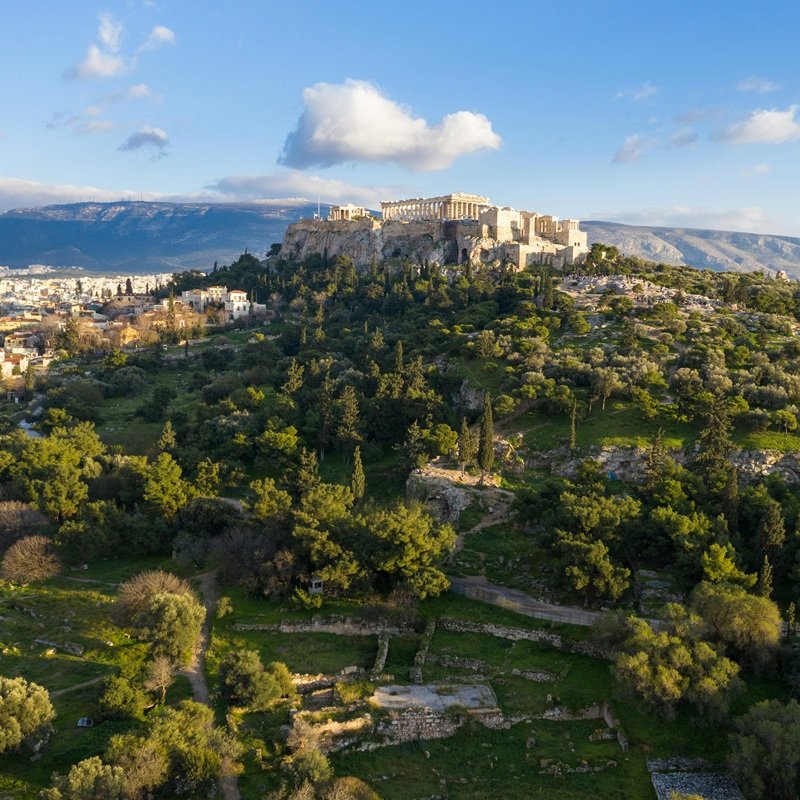
Cultural Significance: Past
The Acropolis of Athens is one of the most important symbols of ancient Greek civilization. Built during the 5th century BCE, it reflects the political, religious, and artistic achievements of classical Athens. The Parthenon, dedicated to the goddess Athena, showcases the pinnacle of Doric architecture. Other temples, like the Erechtheion and the Temple of Athena Nike, highlight the elegance of Ionic design.
These structures feature elaborate sculptures, friezes, and intricate details that celebrate mythology, civic pride, and religious devotion. The Acropolis served as a religious center and a symbol of Athenian democracy. It hosted festivals, rituals, and ceremonies that were central to the city’s social and cultural life. Its design and artistic elements influenced architecture across the ancient Greek world, demonstrating the cultural exchange and innovation of the period.
The Acropolis served as a religious center and a symbol of Athenian democracy, hosting festivals, rituals, and ceremonies that played a central role in the social and cultural life of the city. Its design and artistic elements influenced architecture across the ancient Greek world, demonstrating the cultural exchange and innovation of the period.
Cultural Significance: Present
Today, the Acropolis remains a global icon of cultural heritage, attracting millions of visitors annually. Its monuments continue to inspire architects, historians, and artists around the world. As a UNESCO World Heritage Site, it preserves the legacy of ancient Greece and its contributions to art, philosophy, and governance.
The Acropolis also hosts educational programs, exhibitions, and cultural events that connect modern audiences to its rich past. Its presence dominates the skyline of Athens, symbolizing the continuity of Greek culture and its enduring influence on Western civilization.
While it hasn’t featured in major television shows like the Alcázar, the Acropolis has appeared in countless documentaries, films, and media works, reinforcing its status as a universally recognized emblem of history, artistry, and human achievement.
Its combination of monumental architecture, historical significance, and panoramic views makes the Acropolis a site where the past and present converge, allowing visitors to experience the essence of ancient Greek culture firsthand.

Book early | Limited availability | Free cancellation
History
The Acropolis of Athens has a history that spans several millennia. It has served as the heart of the city’s religious, political, and cultural life. Archaeological evidence shows that it has been inhabited since the Neolithic period. Its most significant development occurred during the 5th century BCE, the Golden Age of Athens. Under the leadership of Pericles, the Acropolis was transformed into a monumental complex celebrating the city’s power, democracy, and devotion to the goddess Athena.
The Parthenon, the Erechtheion, and the Temple of Athena Nike were constructed during this period, showcasing the pinnacle of classical Greek architecture and artistic achievement. These structures were adorned with sculptural decorations, friezes, and reliefs that reflected the myths, values, and civic pride of Athens.
Over the centuries, the Acropolis experienced various changes under Roman, Byzantine, and Ottoman rule. Temples were repurposed, damaged, or rebuilt, and additional fortifications were added to protect the hilltop. Despite these transformations, the Acropolis retained its cultural and symbolic significance as a center of worship and a monument to Athenian identity.
Today, the Acropolis stands as a testament to ancient Greece’s enduring legacy. It blends its classical origins with the layers of history added by successive civilizations. This combination reflects the rich and complex story of Athens.